The Hidden Impact of Salt Air on Carpet Fibers in Coastal Florida Homes
- fusioncleaning26
- May 26
- 7 min read
Living near the coast in Fort Walton Beach offers beautiful ocean views, relaxing sea breezes, and a tropical lifestyle many people dream about. However, coastal living also comes with hidden challenges for homeowners. One issue that many residents overlook is the effect of salt air on indoor materials, especially carpets.
In many coastal Florida homes, carpets begin to wear out faster than expected. Homeowners may notice fading, stiffness, odors, discoloration, or fibers that seem damaged even with regular vacuuming. In most cases, the problem is not just dirt or foot traffic. Salt air can slowly break down carpet fibers over time, especially when combined with Florida’s humidity and moisture.
At Fusion Cleaning & Restoration, we help homeowners understand how coastal conditions affect their carpets and what they can do to protect their investment. In this guide, we will explain how salt air impacts carpet fibers, why coastal Florida homes are more vulnerable, and how professional carpet cleaning can help extend the life of your flooring.

Why Salt Air Is a Serious Problem in Coastal Florida Homes
Salt air contains microscopic salt particles that travel inland from the ocean through wind and humidity. Even homes located several miles from the beach can still experience the effects of salt exposure.
In coastal areas like Fort Walton Beach, these airborne particles enter homes through:
Open doors and windows
HVAC systems
Shoes and clothing
Pets coming indoors
High humidity levels
Ocean breezes carrying salt particles
Once salt settles into carpet fibers, it does not simply disappear. Instead, it attracts moisture from the air. This creates a damp environment inside the carpet that may lead to several long-term problems.
As a result, carpets in coastal homes often age much faster compared to carpets in inland areas.
How Salt Air Damages Carpet Fibers
Many homeowners think carpet damage only happens because of stains or heavy foot traffic. However, salt exposure creates damage slowly and continuously.
1. Salt Crystals Break Down Carpet Fibers
Salt particles are abrasive. When they settle deep inside carpet fibers, they act like tiny sharp crystals. Every time someone walks across the carpet, these particles rub against the fibers.
Over time, this friction weakens the carpet structure.
This can cause:
Fraying fibers
Matting
Flattened carpet texture
Premature wear patterns
Reduced softness
Additionally, high-traffic areas near entrances usually show the most damage because more salt is tracked inside.
2. Salt Attracts Moisture
Florida’s coastal climate already has high humidity levels. Salt makes the situation even worse because it naturally attracts water molecules from the air.
This process creates excess moisture trapped within the carpet and padding.
Consequently, homeowners may experience:
Damp carpet feeling
Musty smells
Mold growth
Mildew development
Increased allergens indoors
Even if the carpet surface appears dry, moisture may still remain deep inside the fibers and padding.
3. Salt Can Cause Carpet Discoloration
Salt particles may slowly strip protective coatings from carpet fibers. In addition, prolonged exposure can affect dyes used in carpets.
As a result, carpets may begin to:
Fade unevenly
Lose vibrancy
Develop dull patches
Appear older than they are
This is especially common in homes with large windows or direct sunlight because UV exposure combined with salt air accelerates deterioration.
4. Salt Weakens Carpet Backing and Padding
Many homeowners focus only on visible carpet fibers. However, the backing and padding underneath are equally important.
Salt moisture can seep below the carpet surface and affect the lower layers. Over time, this may lead to:
Delamination
Loose carpet sections
Wrinkling
Odors trapped beneath the carpet
Structural carpet damage
Unfortunately, once carpet padding becomes heavily contaminated, replacement may sometimes be necessary.
Why Coastal Florida Homes Are More Vulnerable
Florida homes near the Gulf Coast face unique environmental conditions that speed up carpet deterioration.
High Humidity Levels
Humidity is one of the biggest reasons salt damage becomes severe in coastal homes. Moisture in the air combines with salt deposits trapped inside carpets.
This creates an ideal environment for:
Mold spores
Bacteria
Dust mites
Mildew growth
Therefore, carpets in coastal Florida homes require more frequent maintenance than carpets in drier climates.
Frequent Sand and Salt Tracking
Beach living often means sand and salt are constantly brought indoors.
Even with shoes removed at the door, salt residue can still enter homes through:
Bare feet
Beach towels
Pets
Furniture
Outdoor air circulation
Over time, these particles accumulate deep within the carpet.
Strong Coastal Winds
Ocean breezes may feel refreshing, but they also carry airborne contaminants into homes.
Homes closer to the shoreline usually experience:
Faster salt buildup
Higher indoor moisture
More airborne debris
Increased carpet wear
As a result, homeowners in coastal Florida should treat carpet care as an essential part of home maintenance.
Common Signs of Salt Air Carpet Damage
Salt damage is often gradual. Therefore, many homeowners do not notice the issue until significant wear has already occurred.
Here are some common warning signs:
Persistent Musty Odors
If your carpet smells damp even after cleaning, trapped salt moisture may be contributing to mildew growth.
Stiff or Crunchy Carpet Texture
Salt buildup can make carpet fibers feel rough instead of soft.
Faster Dirt Accumulation
Salt residue attracts dirt and dust. Consequently, carpets may appear dirty shortly after vacuuming.
Discoloration Near Windows and Doors
Areas exposed to airflow or sunlight often show salt damage first.
Allergy Symptoms Indoors
Salt-related moisture can encourage mold and allergens inside carpet fibers, which may worsen respiratory irritation.
How Professional Carpet Cleaning Helps Protect Coastal Carpets
Routine vacuuming alone cannot fully remove embedded salt particles.
Professional carpet cleaning provides deeper extraction methods that help eliminate hidden contaminants.
At Fusion Cleaning & Restoration, we use advanced cleaning techniques designed to help coastal homeowners maintain healthier carpets.
Deep Extraction Removes Salt Residue
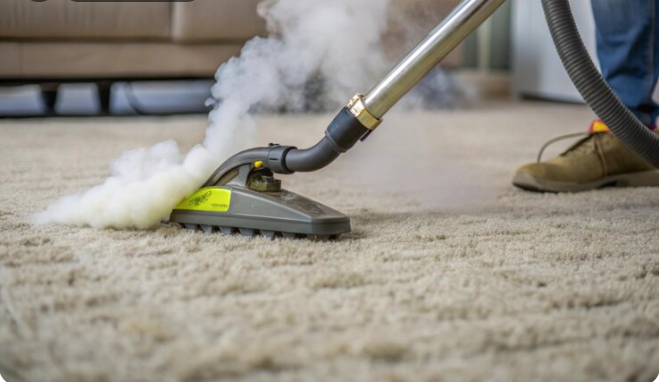
Professional hot water extraction helps remove:
Salt deposits
Sand particles
Moisture buildup
Allergens
Bacteria
This process reaches deep below the carpet surface where household vacuums cannot.
Moisture Control Helps Prevent Mold
Professional equipment removes excess moisture more effectively than DIY carpet cleaning machines.
This reduces the risk of:
Mold growth
Mildew odors
Bacterial buildup
Proper drying is especially important in humid Florida climates.
Carpet Fibers Stay Softer Longer
Removing abrasive salt particles helps reduce fiber damage and maintain carpet texture.
As a result, carpets often:
Feel softer
Last longer
Look cleaner
Maintain their original appearance
Professional Cleaning Extends Carpet Lifespan
Replacing carpet can be expensive. Fortunately, regular professional cleaning may help delay premature replacement.
Preventative maintenance is usually far more affordable than installing entirely new flooring.
Best Carpet Maintenance Tips for Coastal Florida Homes
Homeowners near the coast can take several steps to reduce salt-related carpet damage.
Vacuum Frequently
Vacuuming removes loose salt and sand before they settle deeper into carpet fibers.
For coastal homes, vacuuming at least 2–3 times per week is often recommended.
Use Entry Mats
Place durable mats near all entrances to reduce tracked-in salt and sand.
Additionally, encourage guests to remove shoes indoors whenever possible.
Control Indoor Humidity
Using a dehumidifier may help reduce excess moisture trapped in carpets.
Ideally, indoor humidity should remain between 30% and 50%.
Schedule Regular Professional Cleaning
Coastal carpets generally benefit from professional cleaning every 6–12 months depending on traffic and proximity to the beach.
Homes with pets or children may require more frequent service.
Clean Spills Quickly
Moisture combined with salt can worsen carpet damage. Therefore, spills should be cleaned immediately.
Avoid allowing wet areas to remain untreated for extended periods.
Why DIY Carpet Cleaning Is Often Not Enough
Many homeowners rent carpet cleaning machines hoping to save money. While these machines may improve surface appearance, they often fail to remove deeply embedded salt and moisture.
DIY machines may also:
Leave excess water behind
Cause longer drying times
Push contaminants deeper into padding
Increase mold risks
In humid coastal climates, improper cleaning can sometimes create bigger problems.
Professional cleaning equipment typically provides:
Stronger suction
Better water extraction
Faster drying
Deeper cleaning results
The Connection Between Carpet Health and Indoor Air Quality
Carpets act like giant air filters inside homes. They trap airborne particles, including:
Dust
Salt residue
Allergens
Pet dander
Mold spores
However, when carpets become overloaded with contaminants, indoor air quality may decline.
This can contribute to:
Sneezing
Coughing
Allergy irritation
Asthma symptoms
Unpleasant odors
Therefore, maintaining clean carpets is not only about appearance. It also supports a healthier indoor environment.
Coastal Carpet Cleaning Is Different From Inland Carpet Cleaning
Carpet cleaning needs vary depending on location.
In coastal Florida homes, cleaning professionals must address:
Salt contamination
Elevated humidity
Sand buildup
Faster mold risks
Coastal air exposure
This is why choosing a company familiar with coastal cleaning challenges is important.
At Fusion Cleaning & Restoration, we understand the unique conditions affecting homes in Fort Walton Beach and surrounding coastal communities.
How Often Should Coastal Carpets Be Professionally Cleaned?
The ideal cleaning frequency depends on several factors.
Homes Near the Beach
Every 6 months is often recommended due to heavy salt and sand exposure.
Homes With Pets or Children
More frequent cleaning may be beneficial because moisture and contaminants accumulate faster.
Vacation Rentals and Airbnb Properties
High guest turnover can significantly increase salt and sand buildup. Quarterly cleaning may help maintain carpet condition.
Low-Traffic Homes
Annual professional cleaning may still help prevent hidden salt damage.
Choosing the Right Carpet for Coastal Homes
Some carpet materials perform better in coastal climates than others.
Nylon Carpets
Nylon is durable and resistant to wear, making it a popular option for coastal homes.
Polyester Carpets
Polyester offers stain resistance but may flatten faster in high-traffic areas.
Olefin Carpets
Olefin resists moisture well, although it may attract oily residues over time.
Low-Pile Carpets
Low-pile carpets tend to trap less sand and are easier to maintain in beach environments.
Final Thoughts
Coastal living in Florida offers many advantages, but salt air can quietly damage carpets over time. Unfortunately, many homeowners underestimate how strongly salt, humidity, and moisture affect carpet fibers.
Without proper care, carpets may develop:
Fiber deterioration
Odors
Moisture problems
Mold growth
Discoloration
Reduced lifespan
Fortunately, preventative maintenance and professional carpet cleaning can help protect your flooring investment.
At Fusion Cleaning & Restoration, we help homeowners in Fort Walton Beach maintain cleaner, healthier carpets despite the challenges of coastal living.
Whether you live steps from the beach or several miles inland, understanding the hidden effects of salt air is the first step toward protecting your home’s comfort and indoor environment.
Frequently Asked Questions
1. Can salt air really damage carpet fibers?
Yes. Salt particles are abrasive and can gradually weaken carpet fibers, especially in humid coastal environments.
2. Why do carpets smell musty in coastal homes?
Salt attracts moisture from the air, which may lead to mildew, mold growth, and trapped odors inside carpet fibers.
3. How often should carpets be cleaned in coastal Florida?
Most coastal homes benefit from professional carpet cleaning every 6–12 months, depending on traffic and beach exposure.
4. Does vacuuming remove salt from carpets?
Vacuuming helps remove surface debris, but professional deep cleaning is usually needed to fully extract embedded salt particles.
5. What carpet type works best in coastal homes?
Low-pile nylon carpets are often recommended because they are durable, easier to clean, and more resistant to wear from sand and salt.
Contact Us for Your Carpet cleaning service ,Fort Walton Beach,FL,
Company Name: Fusion Cleaning & Restoration
Address: 124 Patrick Dr, Fort Walton Beach, FL 32547, United States
Phone: +1 850 651 6600
Visit our website: Click here
Find Us On Map: View On Google Map
More Details: Click Now


Comments