How Sand and Beach Debris Get Trapped in Carpets (and How to Remove Them Effectively in Fort Walton Beach, FL)
- fusioncleaning26
- May 22
- 5 min read
Living near the coast has many advantages—beautiful views, relaxing beach days, and a laid-back lifestyle. However, in places like Fort Walton Beach, one common household challenge often goes unnoticed until it becomes a problem: sand and beach debris getting trapped deep inside carpets.
At Fusion Cleaning & Restoration, we regularly see how fine sand, salt residue, and organic beach debris quietly damage carpets over time. In this guide, you’ll learn exactly how this happens, why it matters, and most importantly, how to remove it effectively and prevent long-term damage.

Why Beach Sand Becomes a Hidden Carpet Problem
At first glance, sand seems harmless. It’s just tiny grains from the beach, right? But when it enters your home, it behaves very differently.
Sand is made of abrasive particles—mostly silica—that are sharp under a microscope. When these particles settle into carpet fibers, they act like sandpaper every time someone walks over them.
The Real Issue:
Sand sinks deep into carpet padding
It damages carpet fibers with friction
It holds moisture and salt from the beach
It attracts more dirt over time
In coastal areas like Fort Walton Beach, this becomes a year-round issue, especially during summer and tourist seasons.
How Sand and Beach Debris Enter Your Home
Many homeowners are surprised by how quickly sand accumulates indoors. Even if you don’t directly bring sand home intentionally, it finds its way inside through several pathways.
1. Shoes and Flip-Flops
Beach footwear is the most common carrier. Sand easily sticks to soles and gets deposited throughout the home.
2. Beach Towels and Bags
Towels, beach chairs, and bags often carry hidden sand particles that fall off gradually indoors.
3. Pets Returning from the Beach
Dogs especially carry sand in their paws, fur, and underbelly after beach walks.
4. Wind and Open Doors
Coastal winds can carry fine sand particles into homes, especially during storms or breezy afternoons.
5. Visitors and Foot Traffic
Homes in tourist-heavy areas like Fort Walton Beach often experience increased sand entry from guests.
What Happens When Sand Gets Trapped in Carpets
Once sand enters the carpet, it doesn’t stay on the surface for long. It works its way deeper with every step.
1. Fiber Damage
Carpet fibers bend and break due to constant abrasion from sand particles.
2. Dull Appearance
Over time, carpets lose their softness and appear flat or worn out.
3. Hidden Layer of Grit
Even if carpets look clean, sand often remains trapped deep below the surface.
4. Odor Development
When sand mixes with moisture and organic debris, it can create a musty smell.
5. Reduced Carpet Lifespan
Continuous abrasion shortens carpet durability significantly.
Why Regular Vacuuming Is Not Enough
Many homeowners assume that regular vacuuming solves the problem. While vacuuming is important, it has limitations.
Standard vacuums:
Only remove surface-level sand
Cannot reach deep carpet layers
Miss compacted debris trapped in fibers
Even high-quality vacuums struggle to extract embedded sand without professional-grade suction and agitation systems.
Effective Methods to Remove Sand and Beach Debris from Carpets
To properly eliminate sand, a combination of techniques is required. Here are the most effective methods used by professionals.
1. High-Powered Deep Vacuum Extraction
Professional carpet cleaners use industrial vacuums that:
Reach deep carpet layers
Extract heavy sand buildup
Remove fine dust particles
This is the first and most important step in deep cleaning.
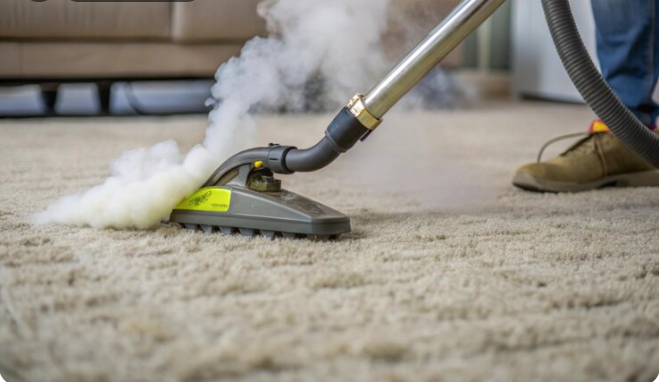
2. Hot Water Extraction (Steam Cleaning)
Hot water extraction is one of the most powerful cleaning methods.
It works by:
Injecting hot water and cleaning solution deep into fibers
Loosening trapped sand and debris
Extracting everything using high suction
This method is especially effective for homes in Fort Walton Beach where humidity and sand combine.
3. Pre-Treatment Solutions
Before deep cleaning, professionals apply specialized solutions that:
Break down sticky residues
Loosen sand stuck in fibers
Prepare carpet for extraction
This improves overall cleaning efficiency.
4. Agitation Techniques
Mechanical brushing or agitation helps:
Lift embedded sand from carpet base
Separate fibers for better cleaning access
Improve extraction results
5. Drying and Post-Cleaning Care
Proper drying is essential to prevent moisture-related issues.
Professionals use:
Air movers
Dehumidifiers
Ventilation techniques
This ensures carpets dry quickly and do not trap new debris.
DIY Tips to Reduce Sand in Carpets
While professional cleaning is essential, homeowners can reduce sand buildup with simple habits.
1. Create a “No Shoes Inside” Rule
This is one of the most effective prevention methods.
2. Use Outdoor Mats
Place heavy-duty mats at every entry point.
3. Shake Out Beach Items Outside
Always clean towels, bags, and chairs outdoors before entering.
4. Vacuum High-Traffic Areas Frequently
Focus on entryways and living rooms.
5. Rinse Pets After Beach Visits
A quick rinse removes sand from paws and fur.
Why Professional Carpet Cleaning Matters in Fort Walton Beach
Due to its coastal environment, homes in Fort Walton Beach face unique cleaning challenges.
Professional cleaning is important because it:
Removes deep sand buildup
Restores carpet texture and softness
Eliminates hidden allergens
Extends carpet lifespan
Improves indoor air quality
At Fusion Cleaning & Restoration, we specialize in treating carpets affected by coastal sand, humidity, and salt exposure.
How Fusion Cleaning & Restoration Helps Homeowners
Our approach focuses on deep restoration rather than surface cleaning.
We provide:
Advanced sand extraction cleaning
Deep hot water extraction systems
Pet-friendly and family-safe solutions
Fast-drying techniques
Long-lasting carpet protection options
Our goal is simple: restore your carpets to a clean, fresh, and healthy condition.
Preventing Long-Term Carpet Damage
If sand buildup is ignored, carpets can suffer permanent damage. Prevention and regular maintenance are key.
Recommended schedule:
Light cleaning: Weekly vacuuming
Deep cleaning: Every 6–12 months
High-traffic homes: Every 3–6 months
Frequently Asked Questions (FAQs)
1. Why does sand keep coming back in my carpet even after vacuuming?
Because sand settles deep into carpet fibers and padding, regular vacuums cannot fully remove it.
2. Can beach sand permanently damage carpets?
Yes. Over time, sand acts like sandpaper and wears down carpet fibers, causing permanent damage.
3. What is the best method to remove sand from carpets?
Hot water extraction (steam cleaning) combined with professional vacuum systems is the most effective method.
4. How often should carpets be cleaned in coastal areas like Fort Walton Beach?
Ideally every 6–12 months, or more frequently if the home has high beach traffic or pets.
5. Can I prevent sand from entering my home completely?
Not completely, but you can significantly reduce it by using mats, removing shoes, and cleaning beach items outdoors.
Contact Us for Your Carpet cleaning service ,Fort Walton Beach,FL,
Company Name: Fusion Cleaning & Restoration
Address: 124 Patrick Dr, Fort Walton Beach, FL 32547, United States
Phone: +1 850 651 6600
Visit our website: Click here
Find Us On Map: View On Google Map
More Details: Click Now


Comments