How Foot Traffic from Beach Activities Affects Carpet Fibers Over Time
- fusioncleaning26
- Apr 27
- 5 min read
Fusion Cleaning & Restoration | Fort Walton Beach, FL
Living in Fort Walton Beach, Florida means enjoying sunny beaches, soft sand, and relaxing ocean breezes. However, while beach life brings joy and relaxation, it also brings a hidden challenge inside your home—carpet damage caused by foot traffic from beach activities.
If you’ve ever noticed your carpets looking dull, rough, or worn faster than expected, beach-related foot traffic could be the reason. In this guide, we will clearly explain how it happens, why it matters, and what you can do to protect your carpets over time.

Understanding Carpet Fibers: Why They Matter
Before we talk about damage, it’s important to understand what carpets are made of.
Carpet fibers are designed to be soft, flexible, and durable. Common materials include:
Nylon (very strong and resilient)
Polyester (soft and stain-resistant)
Olefin (good for moisture areas)
Wool (natural and luxurious)
These fibers are twisted and looped together. Over time, they face pressure, friction, and dirt. When too much stress happens, the fibers begin to break down.
What Is Foot Traffic and Why Is It Important?
Foot traffic simply means how often people walk on your carpet. In beach homes, foot traffic is usually higher because:
Family members go in and out frequently
Guests visit often
Beach gear is carried inside
Sand sticks to feet, shoes, and clothes
As a result, carpets near entryways, hallways, and living rooms get the most damage.
How Beach Activities Bring Hidden Threats Indoors
Beach life may feel clean and natural, but it actually introduces several harmful elements into your home:
1. Sand and Grit
Sand may seem harmless, but it is one of the biggest enemies of carpet fibers.
Sand particles are sharp and rough
They act like tiny blades cutting carpet fibers
With every step, sand grinds deeper into the carpet
Over time, this causes fiber thinning and permanent wear.
2. Salt Residue
Ocean water contains salt, which can stick to your skin, clothes, and shoes.
Salt crystals dry and become abrasive
They weaken carpet fibers
They attract moisture, leading to damp conditions
This can lead to both fiber damage and odor problems.
3. Moisture and Humidity
Beach environments are naturally humid.
Wet feet or damp towels bring moisture inside
Carpets absorb water quickly
High humidity slows down drying
This creates the perfect condition for:
Mold growth
Mildew smells
Fiber weakening
4. Sunscreen and Oils
After a beach day, people often carry oils and lotions indoors.
Oils stick to carpet fibers
They attract dirt and dust
Stains become harder to remove
Over time, this leads to dark, sticky patches on carpets.
The Long-Term Effects on Carpet Fibers
Now let’s look at what happens to your carpet over time when exposed to these elements.
Fiber Breakdown
Constant friction from sand and dirt causes fibers to:
Lose their shape
Become frayed
Flatten permanently
Your carpet starts to look old even if it’s not very old.
Color Fading
Beach-related dirt and UV exposure can dull carpet color.
Fibers lose their brightness
High-traffic areas appear darker or faded
Uneven color becomes visible
Matting and Crushing
Heavy foot traffic presses fibers down.
Carpet loses its soft texture
Fibers stop bouncing back
Areas look flat and lifeless
Odor Build-Up
Moisture + salt + organic matter = odor problems.
Musty smells develop
Bacteria grow inside fibers
Regular vacuuming is not enough
Reduced Carpet Lifespan
Without proper care, carpets wear out faster.
What should last 10+ years may last only 5–6 years
Replacement costs increase
High-Risk Areas in Beach Homes
Some areas of your home are more affected than others:
Entryways
Hallways
Living rooms
Staircases
Near patios or balconies
These zones experience constant movement and dirt exposure.
Signs Your Carpet Is Suffering from Beach Foot Traffic
Watch for these warning signs:
Rough texture under your feet
Visible paths or trails
Fading color in certain areas
Persistent odors
Increased allergy symptoms
If you notice these, your carpet needs attention.
Prevention: Simple Steps to Protect Your Carpet
The good news is that you can reduce damage with a few easy habits.
Use Entry Mats
Place strong mats at all entrances.
Capture sand before it spreads
Reduce friction on carpets
Remove Shoes Indoors
Encourage a no-shoes policy.
Less dirt enters your home
Carpets stay cleaner longer
Vacuum Frequently
Vacuuming removes sand and debris.
Do it 2–3 times per week
Focus on high-traffic areas
Clean Spills Immediately
Don’t let moisture or oils sit.
Blot spills quickly
Prevent stains from setting
Use Area Rugs
Protect key zones with rugs.
Easier to clean or replace
Reduces direct carpet damage
Why Professional Carpet Cleaning Is Essential
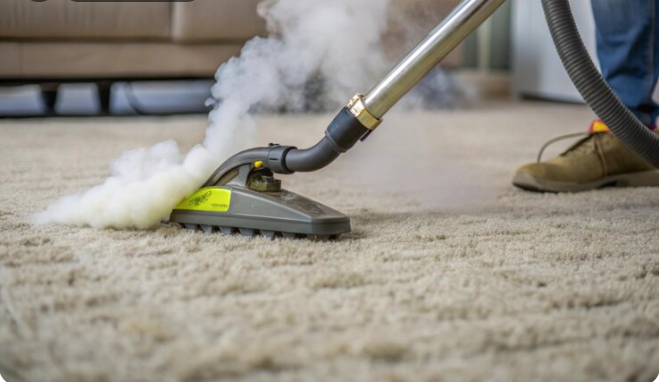
Even with regular care, some dirt goes deep into carpet fibers. That’s where professional cleaning becomes important.
Deep Extraction Cleaning
Professional equipment removes:
Embedded sand
Salt residue
Moisture and bacteria
Fiber Restoration
Cleaning helps:
Lift flattened fibers
Restore softness
Improve appearance
Odor Removal
Experts eliminate deep odors, not just surface smells.
Longer Carpet Life
Regular professional cleaning can:
Extend carpet lifespan
Save money in the long run
Recommended Cleaning Schedule for Beach Homes
For homes in Fort Walton Beach:
Vacuum: 2–3 times per week
Spot clean: As needed
Professional cleaning: Every 3–6 months
This schedule keeps your carpets in good condition despite heavy use.
Eco-Friendly Cleaning for Coastal Homes
Many homeowners today prefer safe and eco-friendly cleaning methods.
Benefits include:
No harsh chemicals
Safe for children and pets
Better for indoor air quality
Protects delicate carpet fibers
Fusion Cleaning & Restoration focuses on methods that are both effective and environmentally responsible.
Why Choose Fusion Cleaning & Restoration
At Fusion Cleaning & Restoration in Fort Walton Beach, FL, we understand the unique challenges of coastal living.
We provide:
Advanced carpet cleaning technology
Deep sand and salt removal
Safe, eco-friendly solutions
Fast and reliable service
Our goal is simple: keep your carpets clean, soft, and long-lasting, even in a beach environment.
Final Thoughts
Beach life is beautiful, but it comes with hidden challenges for your carpets. Sand, salt, moisture, and heavy foot traffic slowly damage carpet fibers over time.
However, with proper care and regular professional cleaning, you can protect your investment and enjoy a clean, comfortable home.
If your carpets are starting to show signs of wear, it’s time to take action before the damage becomes permanent.
FAQs (Short Answers)
1. Why do carpets wear out faster in beach homes?
Because sand, salt, and moisture increase friction and damage fibers quickly.
2. Is vacuuming enough to remove sand?
No. Vacuuming helps, but deep cleaning is needed to remove embedded sand.
3. How does salt affect carpets?
Salt weakens fibers and attracts moisture, leading to damage and odors.
4. Can carpet damage from sand be reversed?
Some damage can be improved with professional cleaning, but severe wear is permanent.
5. How often should I hire professional carpet cleaners?
Every 3–6 months for beach homes with heavy foot traffic.
Contact Us for Your Carpet cleaning service ,Fort Walton Beach,FL,
Company Name: Fusion Cleaning & Restoration
Address: 124 Patrick Dr, Fort Walton Beach, FL 32547, United States
Phone: +1 850 651 6600
Visit our website: Click here
Find Us On Map: View On Google Map
More Details: Click Now


Comments